
You planned the outfit for two weeks, walked out in it for thirty seconds, and heard "you're going out like THAT?" before you even reached the door.
Quick take: Parents rarely object to bold outfits on principle. They object because the outfit looks like it might fail in public and embarrass the family. Secure every gap, strap, and neckline so the outfit reads controlled rather than accidental. A body glue layer on your risky outfit changes the conversation before it starts.
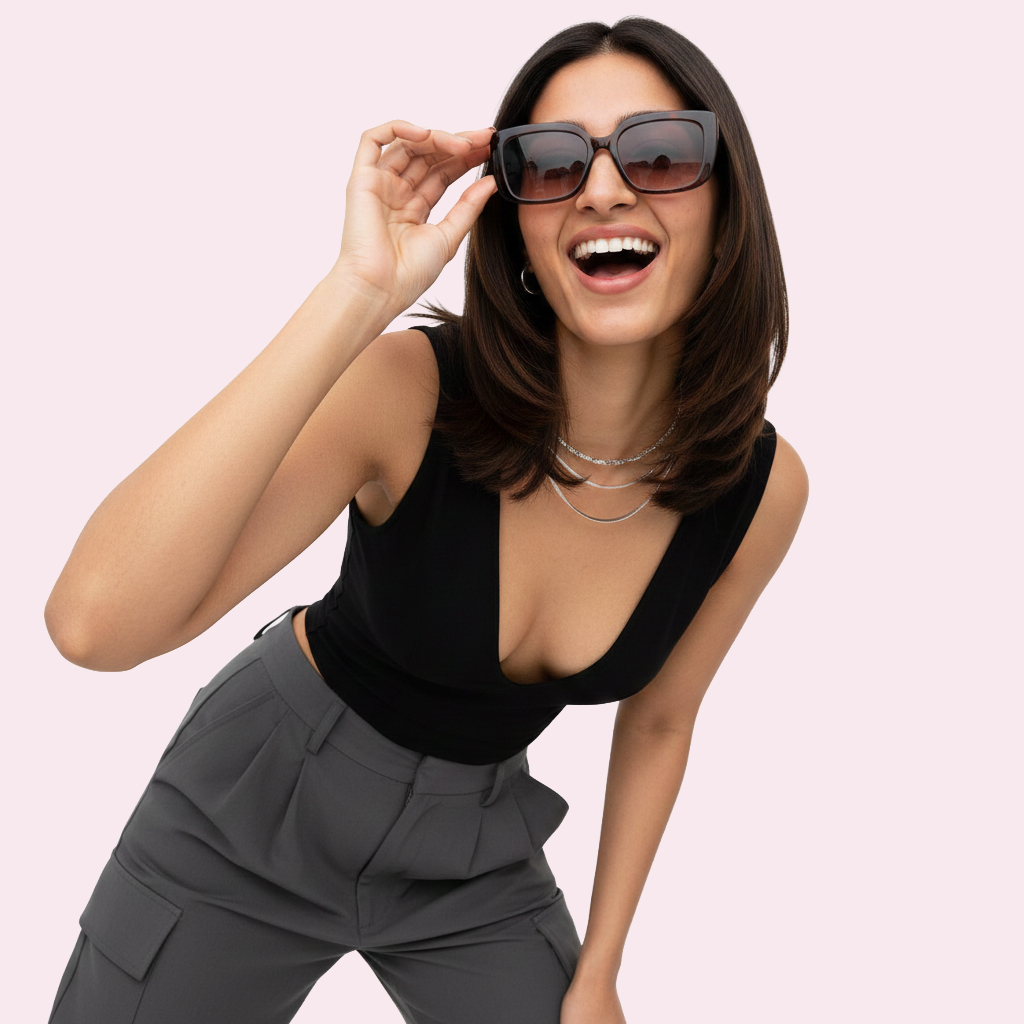
Why Parents Freak Out About Bold Outfits (It's Not What You Think)
Most guides on wearing bold and risky outfits without your parents freaking out tell you to "have a conversation" or "build trust over time." That is half the answer at best.
The real trigger is not the hemline or the neckline. It's what the outfit looks like it's about to do. A plunging top that's shifting. A backless blouse where the gap keeps widening. A tube dress that you're tugging every ten minutes. Parents read movement and insecurity in fabric as risk, not style. Fix the visible instability and the objection shrinks by half before a single word is exchanged.
There's also a second layer nobody names: the "what will people say" fear. That fear spikes when an outfit looks like it could malfunction publicly. A bold outfit that sits still, stays in place, and reads as deliberate? That's a different conversation entirely.
4 Moves That Let You Wear Bold and Risky Outfits Without the Drama
1. Anchor the riskiest point before you leave the house
Every bold outfit has one point of failure: the neckline that dips, the strap that slides, the short dress that rolls up, the backless blouse that gaps. Identify it, then fix it with body glue for skin before you step out. Apply a thin layer on clean, dry skin, wait 60 seconds until tacky, then press the fabric down firmly. That single step removes the "it's going to fall" read that parents pick up on instantly.
2. Do a movement test in front of them, on purpose
Bend forward. Reach up. Sit down. Do it casually while you're grabbing your bag. When the outfit doesn't move, doesn't gap, doesn't require you to grab anything, the anxiety in the room drops visibly. This is the counterintuitive move most style guides skip: you're not arguing for the outfit, you're demonstrating that it's under control.
3. Let one element be conservative
A backless blouse with a high-waisted skirt. A plunging neckline with wide-leg trousers. A tube top with a blazer over it for the first ten minutes. One covered element gives the eye an anchor and gives parents a place to land. The bold piece reads as intentional rather than careless.
4. Use body glue to make the "risky" parts invisible
This is where body glue for skin does more than hold fabric. It changes what the outfit communicates. A neckline saves you when you lean to get something. A neckline glued down doesn't shift when you laugh. A backless blouse with the edges anchored stays exactly where the designer intended it. The outfit stops looking risky because it stops behaving like it is.
Body glue works across a wider range of use cases than most people realize:
- Necklines: plunging, wrap, or cowl cuts that shift when you move
- Risky Outfits/Bold Outfits: anchored at the risky spots.
- Backless blouses: edges sealed so the gap stays intentional
- Jewellery: maang-tikka or statement earrings that pull fabric or tilt
- Socks and stockings: kept folded or positioned without bunching
When you've used body glue correctly on clothes, the fabric stops being a liability. That's the practical shift that changes the conversation at home.
The outfit isn't the problem. The visible malfunction is. Fix the second one and nobody argues about the first.
What Body Glue for Skin Actually Does to Bold Outfits
Body glue for skin is the practical tool behind that consistency. At OopsProof, we've watched this pattern repeat: women who anchor their necklines, pallu, or backless blouses with body glue stop getting pulled aside before they leave. The outfit looks finished. Finished reads as intentional. Intentional doesn't invite commentary.
OopsProof body glue is skin-friendly, sweat-resistant, and wipes off with water and a cloth. No residue on fabric, no scrubbing at the end of the night. It's lab tested and built around aloe vera and glycerine, so it doesn't irritate skin even through a full evening. You can check the full OopsProof review covering 5+ hours of real wear if you want the specifics before buying.
| Bold Outfit Problem | What Parents See | Body Glue Fix |
|---|---|---|
| Plunging neckline shifting | "It's going to fall" | Glue neckline edges to skin |
| Backless blouse gap widening | "That's too exposed" | Anchor blouse edges at back |
| Risky/bold outfits | "You'll have to adjust it all night" | anchored at the risky spots. |
| Tube top or bandeau riding up | "That won't stay on" | Glue top hem to skin |
| Statement jewelry pulling fabric | Distraction, fussing | Glue jewelry base to skin |
Frequently Asked Questions
Does body glue for skin work on all fabric types?
Body glue bonds to skin, not fabric, so the fabric type matters less than you'd expect. It works well under silk, georgette, cotton, and jersey. Very stiff or heavily structured fabrics may need the glue applied closer to the seam edge for a clean hold.
Will body glue leave marks on my outfit?
OopsProof body glue dries invisible and wipes off skin with water and a cloth. On most fabrics it leaves no residue, but if you're wearing something very delicate like raw silk or unlined chiffon, a patch test on a hidden seam first is a smart move.
How long does body glue hold through a full evening out?
OopsProof holds 6 to 8 hours through normal movement and sweat. For longer nights, reapply at the halfway point. The tacky-before-pressing step is the one most people skip, and it's the reason holds fail early.
Can I use body glue on jewelry like a maang-tikka?
Yes. A small dot of body glue on the skin under the tikka keeps it centered through dancing, hugging, and head movement. Same logic applies to statement earrings that tend to pull the earlobe forward.
Is body glue safe to use every time I go out?
OopsProof is lab tested and formulated with aloe vera and glycerine, both skin-soothing ingredients. A patch test on your inner arm before first use is always recommended. After that, regular use is fine for most skin types.
Try This Today
- Pick the one point of failure in your boldest outfit and apply a thin layer of body glue for skin there before your next wear. Wait for it to go tacky, press the fabric down, then do a full bend-and-reach test before you leave the room.
- Read how body glue works differently across outfit types with this breakdown of six outfit problems garment adhesive fixes better than tape or pins, useful if you're dealing with more than one problem area.
- Pick up OopsProof body glue at oopsproof.co. One tube covers 50 to 60 uses, which works out to a lot of bold outfits worn without a single tug, grab, or pre-departure argument.

